
Coffee clears a critical road permit, but two core mine licences remain outstanding
Talamore received the Primary Permit for the roughly 214 km Northern Access Route, allowing completion of about 29 km of new connections around roughly 180 km of existing road. The Coffee mine still requires a Quartz Mining Licence and a Type A Water Licence; feasibility and a final investment decision in Q1 2027 remain company targets.
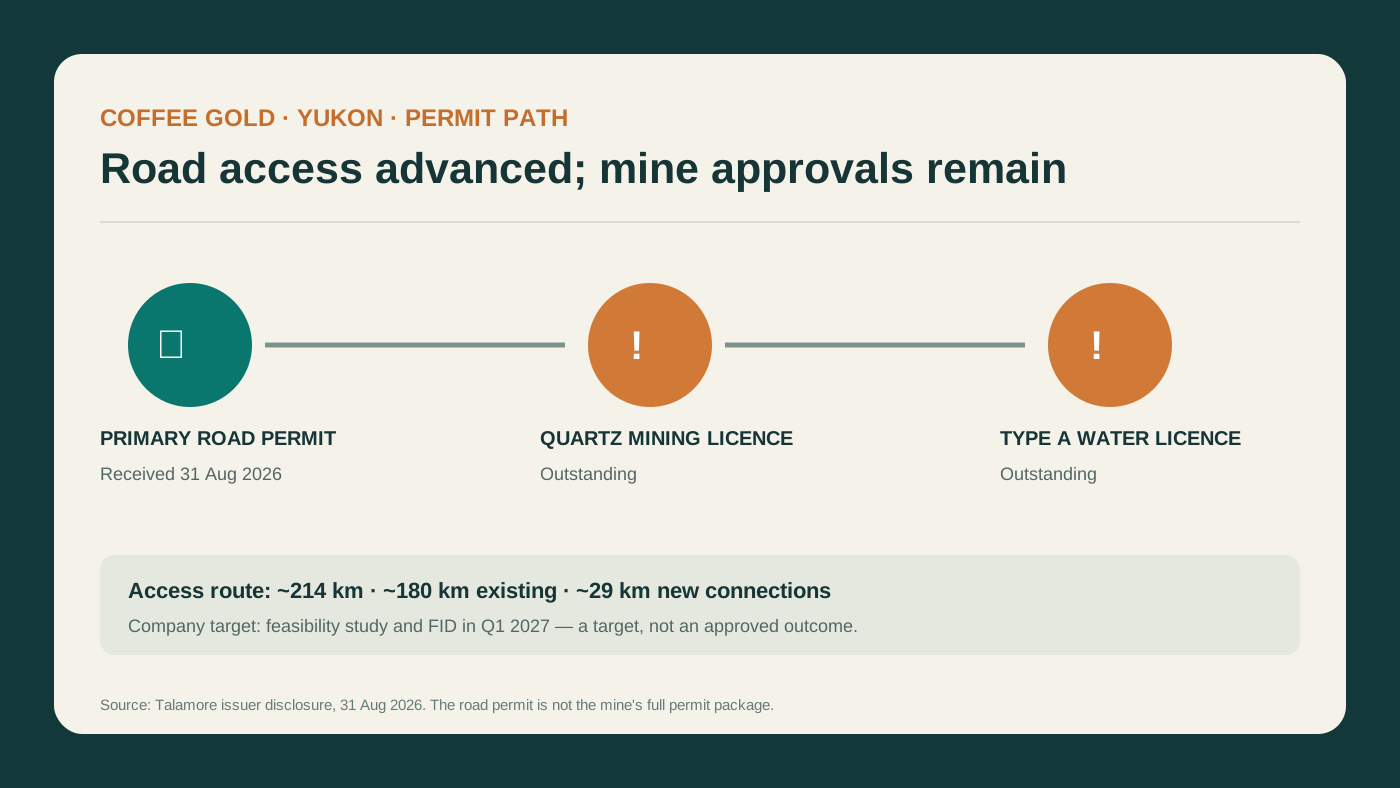
Coffee has cleared an important access-road permit, but the mine itself is not fully permitted. The roughly 214 km Northern Access Route can advance, while the Quartz Mining Licence and Type A Water Licence remain outstanding. That distinction is central to assessing the company's Q1 2027 feasibility-study and FID targets.
The permit advances access, not the full mine approval package
The Northern Access Route is about 214 km long, using roughly 180 km of existing road and requiring about 29 km of new connecting sections. The Primary Permit received on 31 August 2026 allows Talamore to complete the northern route, an important condition for camps, equipment and construction logistics. Its legal scope is the road corridor. It does not replace the mining, water and operating licences required for the Coffee mine, and it should not be described as full project approval.
Two core licences still control the schedule
Coffee still requires a Quartz Mining Licence and a Type A Water Licence. Public comments on the water licence close on 15 September 2026, after which a hearing process remains; the mining licence is under detailed information review. Talamore targets the feasibility study and final investment decision in the first quarter of 2027, but both dates are management targets. Additional information requests, hearing conditions or delayed decisions could move the downstream construction schedule.
Funding and early works remain conditional on the permit path
The company refers to a financing package of about C$638 million and is advancing early works covering road, airstrip, barge and camp infrastructure, with a stated workforce of about 300 people at peak. Those activities demonstrate implementation effort, but the release does not establish that every drawdown condition, permit prerequisite and final construction funding requirement has been satisfied. The permit decisions, feasibility capital estimate and availability of committed funds need to be assessed on one timeline.